
General
Wacken 2025: Reflections After the Storm and the Mud… Returning for the Rock, the Region, and the Brotherhood

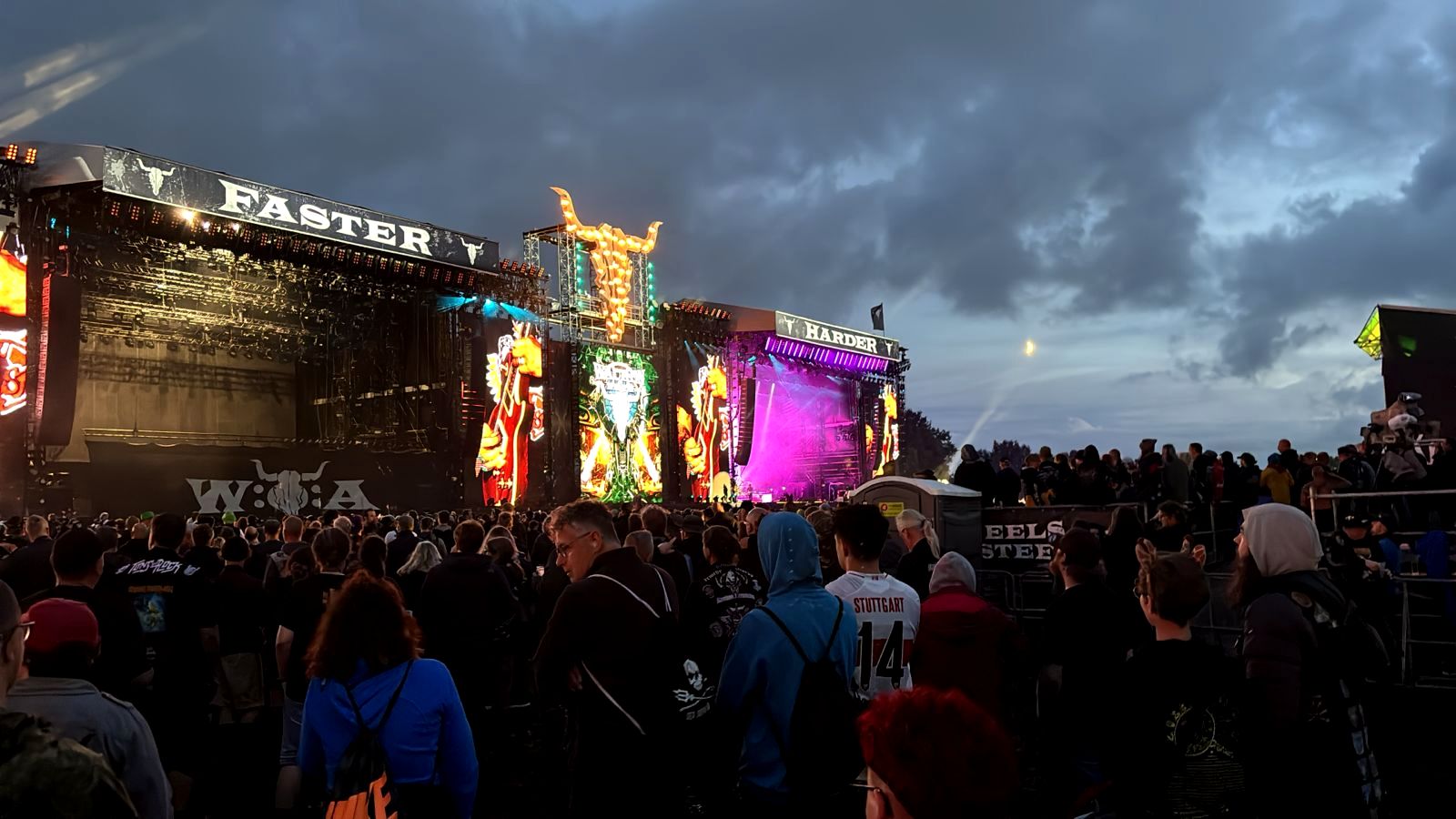
My name is Felipe Szarruk, and I’ve performed on stages in more countries than I ever imagined. But no destination, no festival, has marked my life quite like that legendary mud pit known as Wacken Open Air. If I close my eyes, I can still feel my boots sinking into the wet earth, hear the echo of thousands of voices defying the storm, smell the metallic tang of the mud turned into a badge of honor.
My pilgrimage to Wacken didn’t begin on the flight to Hamburg, or even the day I received my credentials. It started long before, when that name—Wacken!—stopped being just a place and became a promise. It took seven years striving to become South America’s representative until it finally happened. On a continent like ours, where fighting for music often means struggling against neglect and indifference, arriving in Germany became more than just a goal—it was a mythical challenge, something no one had managed before and something we deeply wanted. Wacken ceased to be a distant fiction and became an experience we could truly be part of.
Landing for the first time in the land of metal in 2024 and walking through the gates of that tiny village felt like stepping into another universe. My first impressions weren’t just of passion, but of awe—thousands of people in black shirts, smiling in the puddles, raising their beer mugs like they’d just won a battle. It was an army of souls, ready to soak upWacken’s unique energy, both literally and spiritually. Everything was different from anything I’d experienced in Rock and Metal before.
But in 2025, returning as both a juror and promoter, I realized the true welcoming committee wasn’t the excited fans—it was the mud. That treacherous, chilly, omnipresent mud greets you at the entrance, sneaks into every nook of your tent, and coats your legs like a second skin. Wacken mud doesn’t discriminate—it covers Europeans, Asians, and South Americans alike. At first, it feels like the silent enemy, the obstacle threatening to steal your comfort, ruin the festival the way you see elsewhere, wreck the order and your dignity. But then you start to understand its transformative power. In the sacred field, the mud is simply part of the deal, part of the soul of the festival. Anger and frustration give way to a feeling of surrender: “The world’s gone to hell, let’s embrace the chaos.”
In that mud, every step is a conscious choice to keep going. Every stumble is a chance for solidarity—strangers speaking different languages help you up, share a laugh at your fall, even trade survival tips. In the mud, hierarchy disappears and only music, resilience, and brotherhood remain. No other festival can turn discomfort into a rite of passage like this. To cross Wacken is to be baptized anew, to look down at yourself caked up to your waist and understand that what matters isn’t cleanliness, but intensity. The mud is both the price and the reward.
It’s natural to wonder why anyone would want to come back again and again to a place where rain always threatens to flood everything. My first time, in 2024, was worlds apart—no rain, everything dry. But that’s the point: coming back isn’t just nostalgia—it’s a statement that you belong. It’s the desire to rejoin a tribe where nobody cares about how you look, what language you speak, or where you’re from, because the mud has already made us all equal. “Rain or Shine”—their motto—isn’t just a slogan, it’s an oath.
When you leave, the mud dries and becomes a memento—it travels home with you, clinging to your shoes and to your memories, proof that you were there, testimony of an experience as brutal as it is beautiful. To return is, at heart, to relive that collision with something real, both physical and spiritual—from the music and the community. It’s wanting to answer the mud’s call again, saying with pride: “I’m here, and I’d come back a thousand times over.”
The Beginning of an Epic Battle
The dream of bringing South American metal to Wacken Open Air—the world’s biggest metal festival—started as a passion-fueled act of boldness. In our continent, the battle isn’t just musical—it’s logistical, economic, and emotional. Metal Battle South America was born to break boundaries, to unite diverse scenes, and to prove that we have talent worthy of the planet’s biggest stages.
After carving out the space to promote the festival, we assembled a team that became essential to building the competition. The contest quickly turned into a beacon for independent bands from Colombia, Venezuela, and Ecuador, and as of 2025, for Peru and Bolivia too. Over 280 bands answered the call in our first year, and over 400 in the second—numbers that beat even some European countries. Subterránica turned into the key collective for organizing and promoting, building bridges between bands, producers, and the media. If there’s one thing that sets Metal Battle South America apart from other experiences, it’s the sheer commitment of those who make it happen. Being a promoter isn’t just about putting on shows. It’s facing endless travel, bureaucracy, lack of resources, hostile borders, and a deep-rooted skepticism towards our music. The reward goes far beyond recognition; it’s feeling that a spark of continental brotherhood can spring from a small regional circle. We are so much more than our local red tape.
Along the way, you collect stories—bands crossing borders with rented instruments because they can’t afford shipping; organizers solving technical problems on the fly; endless nights fixing details so things work, even when conditions are tough. Here, victories are doubly celebrated because nothing is taken for granted, nothing is handed out. Governments don’t sponsor us; all we have is talent and drive. Defeats teach you more than any prize.
Metal Battle South America not only drives the growth of bands, it also creates invisible but solid ties between countries that might be rivals on the sports field, but are brothers in music. There is genuine hospitality—bands like Mini Pony from Ecuador lent their equipment to Venezuela’s VHILL so they could fulfill their dream of playing in the regional final before a large crowd. This spirit of solidarity sets the Metal Battle movement in South America apart and strengthens the sense of belonging to a community greater than any border. The competition pushes bands to give their best, not only as musicians but as ambassadors of their local scenes. Each elimination round is a gathering of talent and dreams, where what is at stake is not just a trip to Wacken, but the dignity and representation of all the countries that make up our region.
The road to Wacken
This selection process is arduous and competitive. Each country holds national eliminations from which one winning band emerges to represent their nation in the grand regional final. Only one will get the final ticket to Germany, becoming the ambassador of South American metal to the world. That is how INFO (Colombia) and VHILL (Venezuela) wrote their names into history. But behind every victory there are dozens of battles won through camaraderie and collective resilience. Metal Battle South America is not just a contest—it is an act of collective faith, a network that defies the specific adversities of our continent, and a school of resilience for musicians, producers, and promoters who understand that noise is not just sound, but a declaration of survival in countries where sometimes people don’t even know what rock is, and where culture is dominated by those who work to fill their own pockets and manipulate the discourse around music, destroying the genre as we know it. Such is the case in Colombia, where now cumbia, hip hop, and even folk music are called rock.
INFO was the first South American band to cross the threshold of Metal Battle South America and step onto the Wacken stage. On their journey, they brought not only their guitars and drums, but also the Andean spirit—that spirit that fights against everyday adversity and transcends in every note. Their selection was the result of a rigorous and challenge-filled process, where everything from logistics to preparation was an odyssey. Arriving in Germany was not an endpoint for INFO, but a point of departure; a recognition of the level Colombian metal could achieve. At Wacken, every chord they played resonated with the strength of those who have built their path through constant struggle and unrestrained passion. More than just a band, they became symbols of a scene that refuses to be invisible, achieving the unthinkable: the first time we set foot on sacred ground as contestants. Their impact, their music, and their show put them on the podium—a milestone in the history of Colombian and Latin American rock that had never happened before. INFO did it alone, without connections, with nothing but music—the way it should be.
And VHILL’s story is, without a doubt, one of the most moving and powerful episodes of Metal Battle South America. In 2025, this Venezuelan band faced devastating tragedy: the loss of their founding drummer, which threatened to break up the group and end their dream. But led by unbreakable faith and the solidarity of the metal community, they decided to push forward, launching a lightning tour of barely five concerts, facing enormous logistical difficulties—from getting visas to transporting their instruments across multiple borders and mountain ranges. Their performance at the regional final in Riobamba, Ecuador, was an epic victory that took them to the Metal Battle final in Germany, making them the first Venezuelan band to achieve this. Their time at Wacken was much more than just a competition; despite not placing in the top five, their performance was a demonstration of resilience and brotherhood. VHILL played not only with impeccable technical skill, but with their hearts in every note, representing the pain, hope, and courage of an entire region.
While in other parts of the world these battles may be easier in terms of resources and convenience, for South American bands, every step forward means overcoming monumental obstacles. From long, expensive flights to adapting to a completely different environment, everything adds a layer of complexity that turns each achievement into a truly heroic act. But that toughness also strengthens the sense of belonging and unity among the participants. Unlike competitions in places with more access, where cold rivalry often prevails, in South America empathy and mutual support are as important as the music itself.
Cultural shock… how you are treated at Wacken vs. South America
In my experience, and in that of many promoters and bands from Metal Battle South America, the contrast between being treated at Wacken Open Air and at festivals in our region is profound. This cultural clash affects not only logistics and production, but also the respect, inclusion, and sense of community that each scene fosters.
At Wacken, hospitality is a true culture. All participants are treated with respect and dignity, regardless of their country of origin or prior experience. There, no one treats you as “the exotic quota” or expects you, the Latino, to explain yourself—you are simply part of the great global metal tribe. Volunteers, technicians, and organizers are committed to the experience; they help with whatever is needed and work so that each band can give their best. It’s an environment where genuine support is felt and fraternity is encouraged.
This professionalism translates into immaculate logistics, infrastructure prepared for thousands, and true recognition of each band’s history and effort. Every member knows they are there because their talent and work were valued—not because of quotas or symbolic gestures. This generates an immense emotional and professional impact, boosting both the growth and motivation of the bands.
In contrast, at many festivals in South America, bands and promoters face situations that can be demoralizing—from basic problems such as the lack of adequate dressing rooms, incomplete technical equipment, or precarious conditions, to attitudes that marginalize or underestimate the musicians’ efforts. The treatment can be cold, disconnected, and at times loaded with prejudice, as if the local metal scene had less value, and as if organizers and curators were some kind of superior beings “doing you a favor.” I’ve fought against this for years, but it just seems they don’t get it—as if we are ignorant by nature. They haven’t realized that without artists there is no festival, and in South America artists are often treated like stray dogs—not everywhere, but in most places. On top of that, cultural mafias have been formed, along with economic dependence on the state, turning musicians into contractors and beggars for government funds.
These differences highlight a system where there is still a huge struggle for professionalization and for the dignified visibility of metal music culture. Logistics, while full of passion, constantly collide with financial and structural limitations that often have to be overcome through the ingenuity and personal sacrifice of the organizers, as happens in Metal Battle South America.
So we move between both worlds. For those who have lived the Wacken experience, returning to South America can be a reminder of how much still needs to be done, and at the same time, a certainty that their struggle is meaningful. The feeling of truly belonging to a global community gives them strength to keep building bridges on their local stages and to proudly represent the metal of their region abroad.
I have this sense that being respected and valued at Wacken changes your perspective on what it means to professionalize music in South America. More than an economic goal, it is a symbolic act of dignity, inclusion, and belonging—a standard that should exist everywhere. That’s what always makes me want to keep going, because our dirty reality is not the reality of rock around the world, and we are going to keep trying to change that reality.
The mystery of the mystique: why put up with the swamp?
The contrast between the last edition of Wacken, when the weather was dry and relatively comfortable, and this year—our first experience with the mud—was dramatic. The way the festival is experienced radically changes when the ground turns to mud and the swamp takes over. What seemed like an insurmountable obstacle became one of the most powerful and meaningful proofs of Wacken’s mystique.
For many of the South American bands and promoters, 2025 marked their first real encounter with Wacken’s mud. After the dry edition, where logistics seemed much kinder, the change was brutal: heavy rains turned the paths into rivers of mud, tents were floating, and everything felt like a constant battle against nature. You couldn’t walk, there were pools of mud, and people literally broke their legs—there are even “Wacken” brand crutches for these cases. You couldn’t believe it—how the hell do people pay 400 euros to enter this swamp? But we started to realize that it’s always been this way, that the dry edition was the outlier, and that mud is an essential part of the festival. As the singer of Clawfinger said: the Warriors of the Mud, the surfers of the sludge. Everything is solved with a pair of rubber boots—but we, lacking experience, didn’t bring any.
This swamp isn’t just a matter of physical hardship or comfort; it is a collective experience that forces each person out of their comfort zone, to face adversity through camaraderie and resilience. As a promoter and part of Metal Battle South America, the experience taught us that the mud symbolizes an internal transformation that makes the festival unique and unforgettable.
The mud at Wacken isn’t an enemy, but an ally in building a special community. Every step in the swamp is a conscious act of surrender and perseverance. The mud levels everyone, it soaks skin and soul, erases differences and creates a tangible bond among attendees from all over the world. It’s in that muddy mess that the mystique feels most intense, where the music gains greater meaning because it is played and heard in the midst of adversity, and where camaraderie grows when you help someone pull out a stuck boot or share a moment of relief under the storm. The swampy experience represents the purity of metal: endurance, honesty, and solidarity, proof against any hardship.
The key to understanding the irresistible draw of Wacken is that, although the experience is sometimes tough, it is never simple or superficial. The festival doesn’t sell comfort; it sells intense memories, overcome challenges, and a connection that goes beyond the ordinary. We, as South American representatives, learned that enduring the swamp is a metaphor for our own musical and cultural struggle—no matter how many difficulties we face, we keep moving forward. The mud is a reminder that Wacken’s mystique isn’t built on spotless stages, but in a collective embrace in the face of the storm, in shared sweat, and in the feeling that, despite everything, we belong to something much bigger.
Epilogue
As night falls over Wacken, when the sound of guitars fades and the mud begins to dry under the cold of the early morning, an indelible mark remains in every soul—a story of resistance and brotherhood that is carried forever. Returning to this muddy pit, to this borderless community, is much more than nostalgia; it is a vital calling for those who carry metal as a banner of identity and struggle. After our first swampy experience in 2025, we understand that the mud is not just a physical challenge, but an eternal ritual that forges the deepest brotherhood. It is in these hardships that Wacken reveals its power—to transform adversity into saga, uncertainty into camaraderie, and exhaustion into shared euphoria, because yes, you end up completely physically destroyed.
This spirit is what calls us back—because with every drop of rain that once again turns the ground into a swamp, the opportunity is renewed to live something unique, intense, and deeply authentic. Knowing that the mud is there, waiting for our footsteps, makes every return an homage to who we are and to the stories we still have to tell—only this time, we’ll be ready with boots and proper preparation.
Next year, 2026, Wacken Open Air will celebrate its 35th anniversary—a number that is more than just a date; it is a symbol of perseverance and constant evolution, of a festival that has remained true to its roots while uniting generations of metalheads from around the world. This edition promises to be epic, an unmissable gathering for those of us who believe in metal as a way of life. A festival that began with two friends, six bands, one tent, and 800 people is now the most important rock and metal festival in the world. And although after being bought by a multinational some of its magic and mystique have become more commercial, the soul and passion of the metalheads keep it alive—and we hope they will for many more years. This has, without a doubt, been a school, a university, a reminder of why we do what we do, and of everything that needs to change in our scene.
For Metal Battle South America and all the scenes we represent, that 35th anniversary is an invitation to raise our voice even higher—to bring not only our bands, but our stories of struggle, resilience, and passion, so that the world can see and feel that South American metal is an unstoppable force. The Wacken mud awaits those who dare to dirty their boots and cleanse their souls in the storm—those who want to be part of a ritual where the mud stands as a symbol that we have endured, that together we are invincible, and that true music is not measured in glittering stages, but in the strength born from the mud we share. May the 35th anniversary be a new page in the epic of the global metal community. May every step in that swamp also be a step toward a future where more and more South American bands, promoters, and fans arrive to affirm with pride: here we are, and we will always come back.
Wacken is not just a festival—it is a pact with music, resistance, and brotherhood. And that pact is renewed every time someone steps into the mud and answers the call of the swamp with an open heart.
See you in 2026, where the mud, the music, and history will come together like never before—because despite everything, I cannot wait to return. Even as I write this, with my legs aching and feeling exhausted, I watch the videos and look at the photos and I know that nowhere else will I feel that mystique, that pride, and that hunger to keep calling myself a rocker.
P.S. Still… they really need to do something about that damn mud.
@felipeszarruk
PhD in Journalism, Master’s in Artistic Studies, Musician, Social Communicator, Director of Subterránica, and Regional Promoter of Metal Battle South America.


General
!Hicimos historia en el Metal mundial! Suramérica Región norte gana con FORCE Wacken Metal Battle en Alemania.
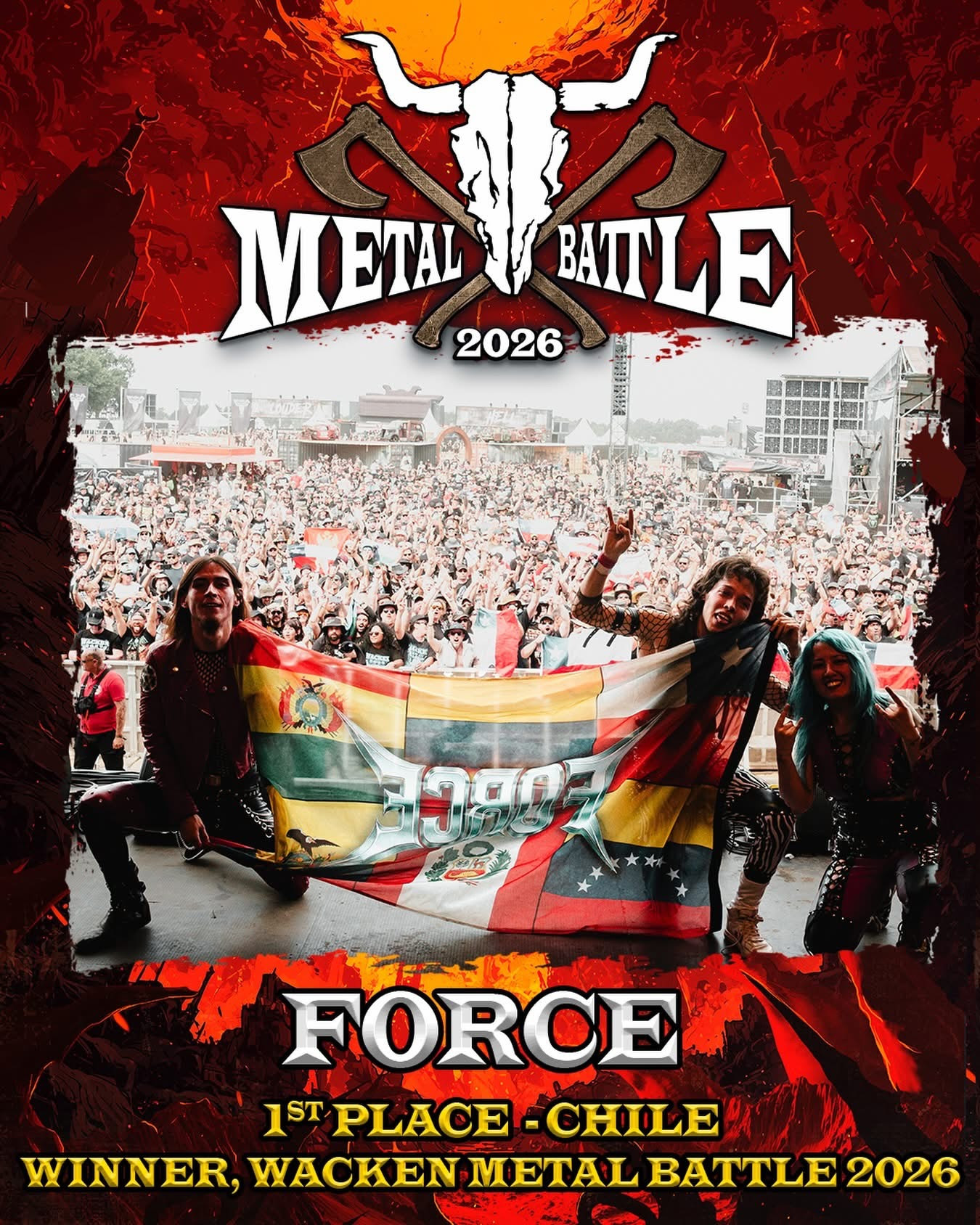
Wacken, Alemania — 31 de julio de 2026. Lo que comenzó hace tres años como una apuesta independiente para abrir un espacio internacional al metal suramericano acaba de convertirse en uno de los resultados más importantes de la historia del género en el continente. FORCE, banda chilena de glam hard rock formada entre Melipilla y Santiago, ganó este viernes la final mundial de Wacken Metal Battle 2026 y se convirtió en la campeona mundial de la competencia. La banda no solamente consiguió el primer lugar ante las 31 agrupaciones participantes de diferentes países del mundo, sino que también obtuvo el respaldo del público, completando una jornada histórica para Chile y para toda la región norte de Suramérica.
La dimensión del resultado se entiende mejor al mirar el camino recorrido. Wacken Metal Battle, iniciativa operada por W:O Festival GmbH desde 2004, es considerada una de las principales plataformas internacionales para bandas emergentes de metal. Para la edición 2026 fueron recibidas más de 10.000 postulaciones provenientes de distintos países y finalmente 31 bandas llegaron a la competencia mundial en Wacken. FORCE fue la representante de Chile y llegó a Alemania después de ganar las diferentes etapas de selección, incluyendo la final regional suramericana.
La historia de FORCE es particularmente llamativa porque se trata de una banda con muy poco tiempo de trayectoria. La agrupación, integrada por Laureano Starboy, Camila Sulwacker y Hans Beyer, nació entre Melipilla y Santiago y comenzó su actividad apenas seis meses antes de ganar la competencia chilena. Su propuesta mezcla hard rock de los años ochenta, riffs pesados, sintetizadores de retrowave y una estética glam que consiguió llamar la atención tanto del jurado como del público desde sus primeras presentaciones. La propia organización de Wacken señala que FORCE conquistó a ambos sectores durante su etapa nacional.
Pero el campeonato mundial no pertenece solamente a una banda. Para Suramérica, el triunfo representa la culminación de un proceso de construcción regional que durante tres años ha sido desarrollado prácticamente desde cero y de manera independiente. Felipe Szarruk, promotor de Wacken Metal Battle para la región norte de Suramérica, asumió la tarea de desarrollar la estructura regional junto con los promotores de cada país y convertir la competencia en una plataforma real para las bandas del continente.
El proyecto se ha construido sin una gran compañía discográfica detrás, sin una multinacional de entretenimiento y sin los presupuestos que normalmente acompañan a las grandes operaciones internacionales. La estructura regional ha dependido del trabajo de promotores, productores, músicos, medios y colaboradores que han organizado las diferentes fases nacionales y regionales. En ese proceso han participado Raúl Colmenares en Venezuela, Edixón Sepúlveda en Colombia, Diego Orrego en Ecuador, Gustavo Delgado en Perú, Helmut Jahnsen en Bolivia y Evelyn Jayson en Chile, además de los equipos locales que han hecho posible cada edición.
Los resultados empezaron a aparecer rápidamente. En 2024, INFO, de Colombia, alcanzó el quinto lugar mundial en Wacken Metal Battle, convirtiéndose hasta ese momento en uno de los mejores resultados conseguidos por una banda latinoamericana en la competencia. Tres años después de comenzar este proceso regional, el resultado ha dado un salto definitivo: FORCE acaba de ganar el campeonato mundial.
La cifra resume la evolución de la región: un quinto lugar mundial con Colombia y ahora un primer lugar mundial con Chile. Dos podios internacionales en tres años, conseguidos por bandas provenientes de una región que históricamente ha tenido muchas más dificultades para acceder a los grandes circuitos internacionales de la industria musical.
Para FORCE, además del título mundial, la victoria representa un premio económico de 8.500 euros, junto con los beneficios y oportunidades asociados al campeonato de Wacken Metal Battle. La banda llega al resultado después de haber demostrado desde Chile que podía movilizar tanto al jurado como al público: en la competencia nacional consiguió el primer lugar en ambas votaciones y posteriormente obtuvo el primer puesto en la final regional que la llevó hasta Alemania. La agrupación también tiene programado el lanzamiento de su primer LP durante 2026 y este año fue anunciada como banda de apertura para la presentación de Halestorm en Chile.
El campeonato mundial llega además en un momento particular para Wacken Metal Battle. La organización define actualmente la competencia como una plataforma internacional que conecta a bandas emergentes con públicos, medios, festivales, promotores, sellos y profesionales de la industria musical. En 2026 participaron 31 ganadores nacionales en la final mundial, haciendo de FORCE la agrupación que terminó por encima de una selección internacional proveniente de países de seis continentes.
Para el metal suramericano, sin embargo, el dato más importante está en otra parte. Durante décadas ha existido una enorme producción musical en países como Colombia, Chile, Venezuela, Ecuador, Perú y Bolivia, pero las oportunidades para que esas bandas puedan medirse directamente con proyectos de Europa, Asia, Norteamérica y otras regiones han sido mucho más limitadas. El trabajo desarrollado por Wacken Metal Battle Suramérica ha conseguido crear un puente permanente entre esa escena y uno de los festivales más reconocidos del mundo.
Lo que ocurrió hoy en Alemania demuestra que ese puente funciona. Primero fue INFO, de Colombia, en 2024. Ahora es FORCE, de Chile, en 2026. En tres años, una estructura independiente creada desde Suramérica consiguió dos podios mundiales y acaba de llevar a la región hasta el primer lugar.
Y hay algo más importante: FORCE no ganó solamente con una decisión de jurados. También conquistó al público. La banda chilena logró que su presentación trascendiera la competencia técnica y conectara directamente con quienes estaban presentes en Wacken. Ese respaldo convierte el resultado en algo todavía más significativo para una agrupación que hace apenas unos meses estaba construyendo su primera etapa profesional.
Desde Subterránica creemos que esta historia debe contarse por lo que realmente es: no una anécdota exótica de una banda latinoamericana que tuvo suerte en Alemania, sino el resultado concreto de un proceso que demuestra que el metal suramericano puede competir, ganar y ocupar el primer lugar del mundo cuando se construyen las condiciones para hacerlo.
Hoy FORCE lleva el nombre de Chile a lo más alto de Wacken Metal Battle, pero detrás de la banda hay una región completa. Hay tres años de trabajo, promotores que han trabajado de manera independiente, bandas que se han presentado en las diferentes etapas, escenarios que han recibido la competencia y una comunidad que decidió dejar de mirar hacia afuera esperando una oportunidad y comenzó a construirla desde el propio continente.
FORCE es campeona mundial de Wacken Metal Battle 2026. Chile está en la cima. Y por primera vez, la región norte de Suramérica puede decir algo que hasta ahora parecía imposible: el metal que construimos aquí no solamente llegó a Wacken. Hoy, ganó Wacken.
#MetalBattle #WackenMetalBattle #wackenmetalbattle #metalbattlesuramérica #Subterránica #subterranica #manutaravenezuela #aquelarremetal #independentbookingartistmanager #xariamusic #comunidadmetalbolivia #alemania #rockcolombiano #metalcolombiano #rockecuador #metalecuador #rockvenezolano #metalvenezolano #metalperuano #metalboliviano #evilspurgatory #metalchileno
@subterránica
Chile
La banda chilena FORCE conquista el escenario internacional y se prepara para representar a Sudamérica en Wacken Open Air
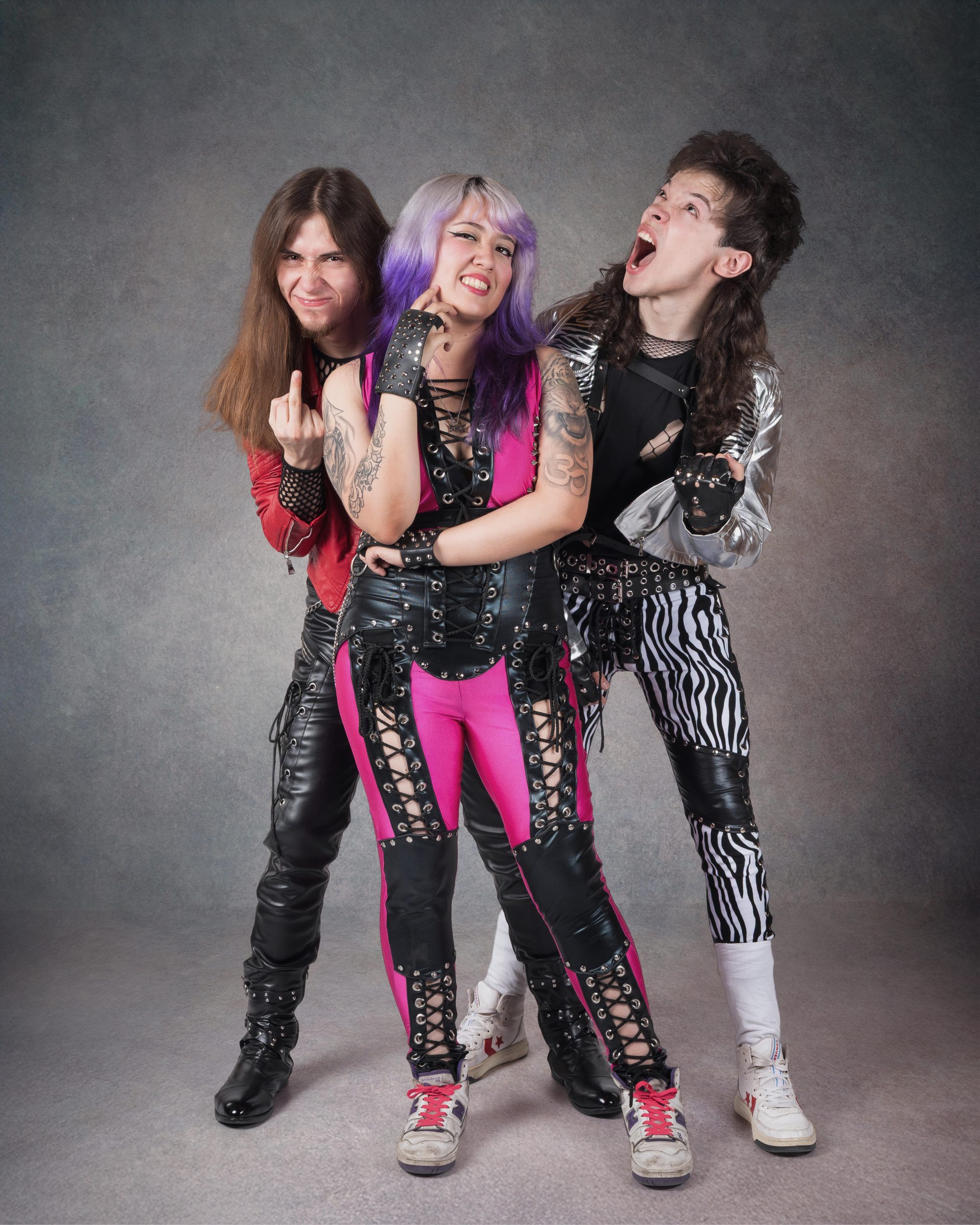
Tras consolidarse como la agrupación ganadora de la primera edición chilena del Wacken Metal Battle y alzarse posteriormente con el primer lugar en la final sudamericana celebrada en Perú, la banda nacional de Glam y Hard Rock, FORCE, se prepara para llevar su propuesta musical al escenario del Wacken Open Air en Alemania, consolidándose como los representantes oficiales de Chile y Sudamérica en el encuentro de metal más influyente del mundo.
Este hito representa un paso fundamental en la proyección internacional de la escena musical chilena. FORCE, proyecto fundado en 2025 por el vocalista y guitarrista Laureano Starboy junto a la baterista Camila Sulwacker y completado por el bajista Hans Beyer, ha logrado captar la atención de la audiencia y la crítica gracias a un sonido que revitaliza la energía del rock de los años 80, integrando arreglos contemporáneos de sintetizadores retrowave con una ejecución de alta intensidad que les permitió obtener el apoyo unánime del jurado y el público en sus instancias clasificatorias.
Para materializar este despliegue internacional, la agrupación ha iniciado una campaña de convocatoria abierta a través de GoFundMe. Esta iniciativa busca consolidar el respaldo de la comunidad rockera global, facilitando la logística de traslado, equipamiento y producción necesaria para asegurar una puesta en escena de estándar mundial en tierras alemanas. Esta cruzada representa una oportunidad para que seguidores, organizaciones y entusiastas del talento emergente formen parte de un proyecto que busca posicionar al rock nacional en las coordenadas más relevantes del mapa musical global.
FORCE extiende una invitación a conocer su propuesta y sumarse a este desafío, reafirmando su compromiso con la calidad artística y la representación del talento sudamericano.
Plataforma de apoyo en GoFundMe: https://gofund.me/b69c57c60
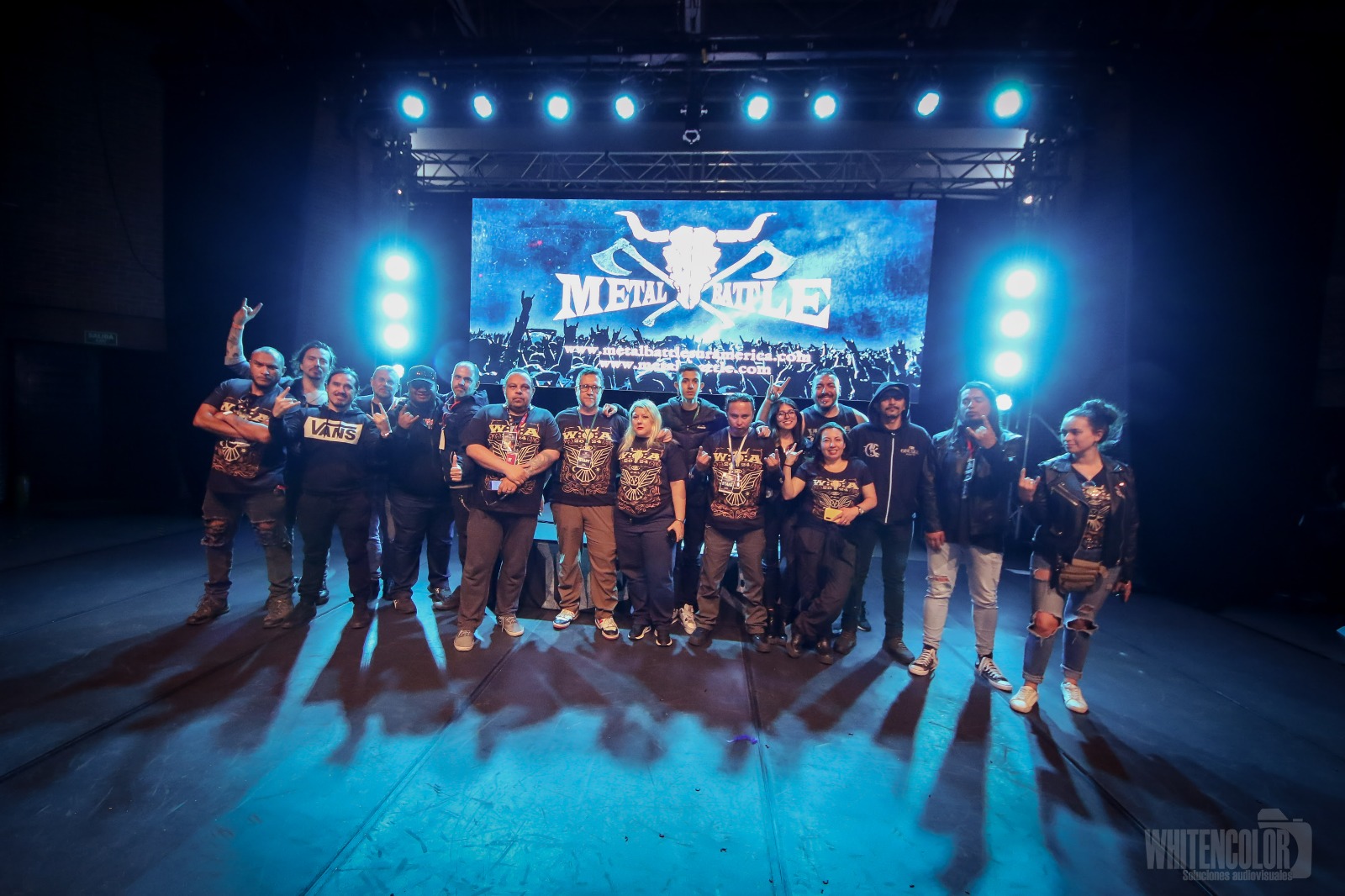
La región se divide en Northern Region y Central Region, con finales en Chile y Colombia. El período de inscripción comenzará tras la finalización del Wacken Open Air 2026.
Wacken Metal Battle, la competencia de bandas más grande del mundo, continúa su crecimiento imparable. Y Suramérica, reconocida como una de las regiones más grandes y prolíficas del planeta en la escena del metal, será protagonista de esta evolución. La organización ha confirmado una noticia brutal para la edición 2027… nuestra región no tendrá uno, sino dos cupos para el Wacken Open Air.
El cambio responde a la consolidación de la escena sudamericana y al éxito sostenido de la competencia en la región. A partir del próximo ciclo, Suramérica se dividirá en dos zonas: Northern Region (Colombia, Venezuela y Ecuador) y Central Region (Chile, Bolivia y Perú). Cada una tendrá su propio proceso clasificatorio y al final del camino, su propio campeón. Ambos representantes cruzarán el Atlántico para pisar el Holy Ground en Schleswig-Holstein.
La definición de esta nueva etapa tendrá dos grandes eventos. La Gran Final de la Northern Region se llevará a cabo en Colombia. La Gran Final de la Central Region tendrá lugar en Chile. Ambos países han demostrado, edición tras edición, un compromiso inquebrantable con el desarrollo del metal y una capacidad de convocatoria que los posiciona como ejes centrales del circuito en Latinoamérica.
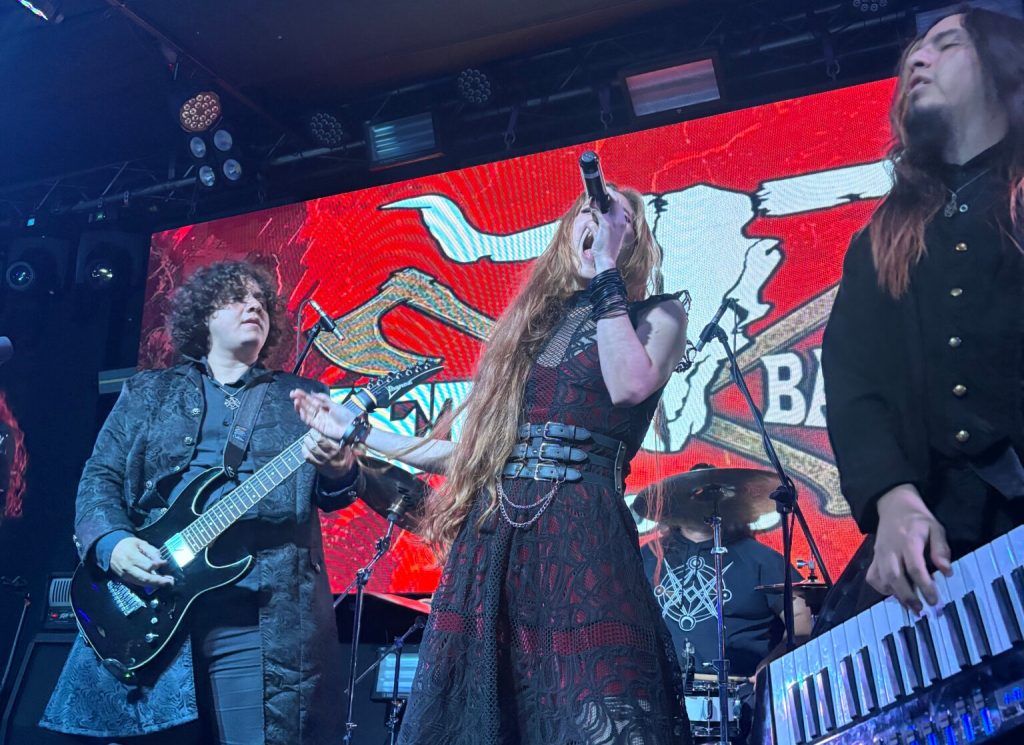
Ambas finales se realizarán a finales de año, cerrando un proceso que promete movilizar a decenas de bandas, jurados, gestores y, sobre todo, a la comunidad metalera que respalda este proyecto.
Wacken Metal Battle no es solo una competencia. Es una plataforma de desarrollo para la escena. Por eso, junto con las finales, se llevarán a cabo espacios de encuentro, networking y ruedas de negocio, replicando el modelo que ya ha dado resultados en ediciones anteriores .
En estos espacios, músicos, gestores, productores, sellos independientes y medios especializados podrán establecer contactos, explorar alianzas y construir proyectos que trasciendan las fronteras. La experiencia ha demostrado que el verdadero impacto del Metal Battle se mide también en las conexiones que nacen alrededor de las competencias: acuerdos de circulación internacional, coproducciones, giras conjuntas y gestión de patrocinios.
El mensaje para las bandas de la región es claro, el reloj ya está corriendo. La organización ha confirmado que las inscripciones para el ciclo 2027 se abrirán inmediatamente después de que concluya el Wacken Open Air 2026 .
Esto significa que mientras el mundo del metal aún esté resonando en el norte de Alemania, aquí ya se estarán invitando a inscribirse a los músicos interesados. Las bandas deben tener su material listo, su set de al menos 30 minutos de música enteramente original y, crucialmente, la documentación al día para viajar a Alemania en caso de resultar ganadoras .
Las reglas son claras y están publicadas en el sitio oficial de Metal Battle. Cada país gestionará sus propias inscripciones, y solo las bandas residentes en el país donde compiten pueden participar. Los costos de viaje corren por cuenta de las bandas, tanto para las eliminatorias nacionales como para el viaje internacional en caso de ganar .
La decisión de otorgar dos cupos a Suramérica no es un regalo. Es el reconocimiento a un trabajo sostenido. En los últimos años, la región ha demostrado que tiene el talento, la disciplina y la pasión para competir al más alto nivel.
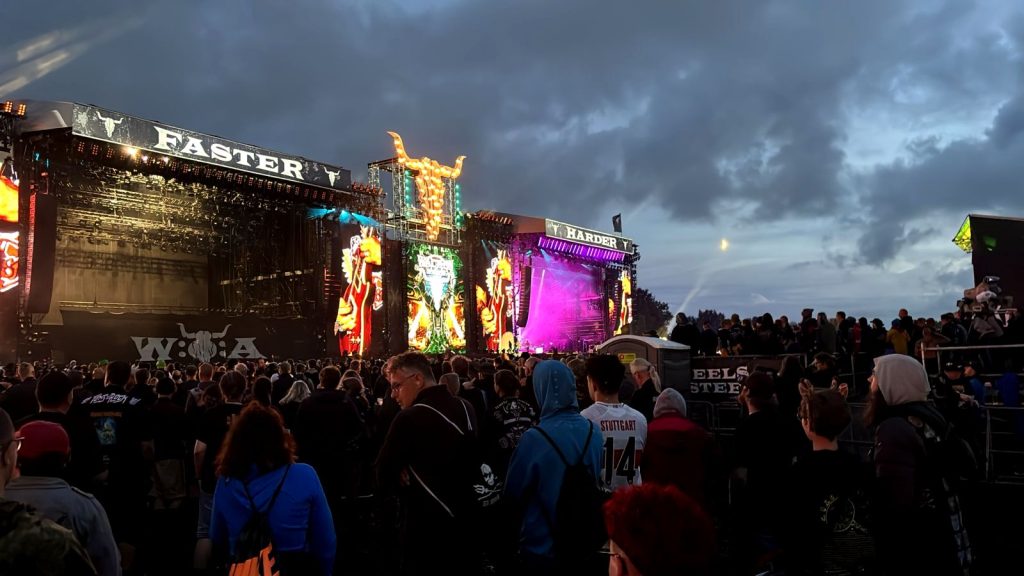
Bandas como Info (Colombia), que representó a la región en Wacken 2024 ganando el quinto lugar a nivel mundial, Vhill (Venezuela) o Force (Chile) que nos respresenta este año, han dejado en alto el nombre de Sudamérica en el escenario más importante del metal mundial . Ahora, con dos cupos, se duplica la oportunidad para que nuevas bandas emergentes den el salto.
Además, Wacken Metal Battle Suramérica ha sido pionera en la integración regional. Países como Colombia, Venezuela, Ecuador, Perú, Bolivia y Chile han competido bajo un mismo paraguas, demostrando que el metal no entiende de fronteras.
Wacken Metal Battle no es cualquier competencia. Creada en 2004, reúne actualmente a más de 100 países de todos los continentes. Cada año, miles de bandas compiten en sus países por un único cupo para la final mundial, que se celebra durante el Wacken Open Air. Los premios incluyen no solo la visibilidad internacional, sino también miles de euros en equipos profesionales, oportunidades de networking con los principales actores de la industria y, para los ganadores, fechas confirmadas en festivales europeos al año siguiente .
Para las bandas sudamericanas, llegar a Wacken ha sido tradicionalmente un desafío logístico y económico. Pero los que lo han logrado coinciden en que la experiencia transforma carreras. No solo por el hecho de tocar en el festival más grande del mundo, sino por el contacto directo con promoters, sellos y managers de Europa, Asia y Norteamérica.
CALENDARIO Y PRÓXIMOS PASOS
Agosto 2026: Celebración del Wacken Open Air 2026. Apertura de convocatorias para el ciclo 2027 inmediatamente después.
Segundo semestre 2026: Eliminatorias nacionales en los países participantes de Northern Region y Central Region.
Noviembre 28 y Diciembre 5: Gran Final Northern Region en Colombia. Gran Final Central Region en Chile.
Agosto 2027: Los dos campeones sudamericanos viajan a Alemania para representar a la región en la final mundial del Wacken Metal Battle, durante el Wacken Open Air 2027.
Las bandas interesadas deben estar atentas a los canales oficiales de Wacken Metal Battle Suramérica en cada país. La información sobre fechas de inscripción, sedes de eliminatorias y requisitos se publicará progresivamente a partir del cierre de Wacken 2026.
Para consultas de patrocinio, alianzas o prensa, escribir a director@subterranica.com


!Hicimos historia en el Metal mundial! Suramérica Región norte gana con FORCE Wacken Metal Battle en Alemania.

La banda chilena FORCE conquista el escenario internacional y se prepara para representar a Sudamérica en Wacken Open Air

Wacken Metal Battle Suramérica anuncia expansión histórica para nuestra región.

Wacken Metal Battle: Athemesis y Altars of Rebellion demuestran Clase Mundial en Lima pero Colombia debe Salir del Aislamiento Local

El rugido de una nueva era, la conquista del Metal Sudamericano y Bolivia

Latinoamérica prepara un choque bestial en Lima, estas son las doce bandas en la final regional de Wacken Metal Battle 2026
-
 Colombia6 meses ago
Wacken Metal Battle: Athemesis y Altars of Rebellion demuestran Clase Mundial en Lima pero Colombia debe Salir del Aislamiento Local
-
 Bolivia6 meses ago
El rugido de una nueva era, la conquista del Metal Sudamericano y Bolivia
-
 Featured6 meses ago
Latinoamérica prepara un choque bestial en Lima, estas son las doce bandas en la final regional de Wacken Metal Battle 2026
-
 General6 meses ago
La batalla definitiva: Lima fue testigo de la gran final de Wacken Metal Battle Suramérica Región Norte con un evento de clase mundial.
-
 Ecuador6 meses ago
Metal Battle Ecuador: Cuando el proceso es el verdadero triunfo
-

 Chile6 meses ago
FORCE la nueva sangre del metal clásico gana Metal Battle Suramérica Región Norte 2026
-
 Chile4 meses ago
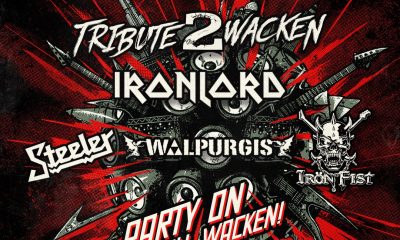
Suramérica recibe a Wacken con las fiestas oficiales en Colombia, Ecuador, Perú y Chile
-
 Colombia6 meses ago
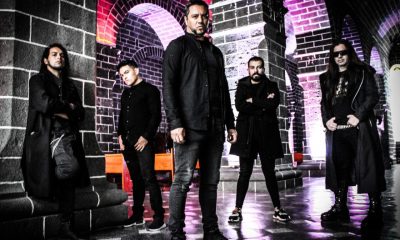
Dos ciudades, un mismo destino: Altars Of Rebellion y Athemesis afinan motores rumbo a la final regional del Wacken Metal Battle